Common problems with venue flower setups at Canary Wharf events
Posted on 04/11/2026
If you have ever watched a beautiful floral plan unravel in a Canary Wharf venue five minutes before guests arrive, you will know the feeling. One minute everything looks calm on paper; the next, a tall arrangement blocks a sponsor board, a vase wobbles on a polished table, and someone is asking where the water went. Common problems with venue flower setups at Canary Wharf events tend to show up fast because the area is busy, polished, and usually very schedule-driven. That is exactly why planning for the practical side matters just as much as the pretty side.
In this guide, we will walk through the most common issues, how they happen, and what to do about them. You will get clear advice on access, timing, venue rules, table proportions, weather, transport, and styling mistakes that can make even good flowers look awkward. We will also cover a realistic step-by-step approach, a checklist, and a few field-tested tips that help keep things smooth. Truth be told, flower setups are rarely difficult because of the flowers themselves. It is usually everything around them.
- Why these problems matter in Canary Wharf
- How venue flower setups usually work
- Key benefits of getting the setup right
- Who this is for
- Step-by-step guidance
- Expert tips for better results
- Common mistakes to avoid
- Tools, resources and recommendations
- Law, compliance, standards, or best practice
- Options, methods, or comparison table
- Case study or real-world example
- Practical checklist
- Conclusion
- Frequently asked questions
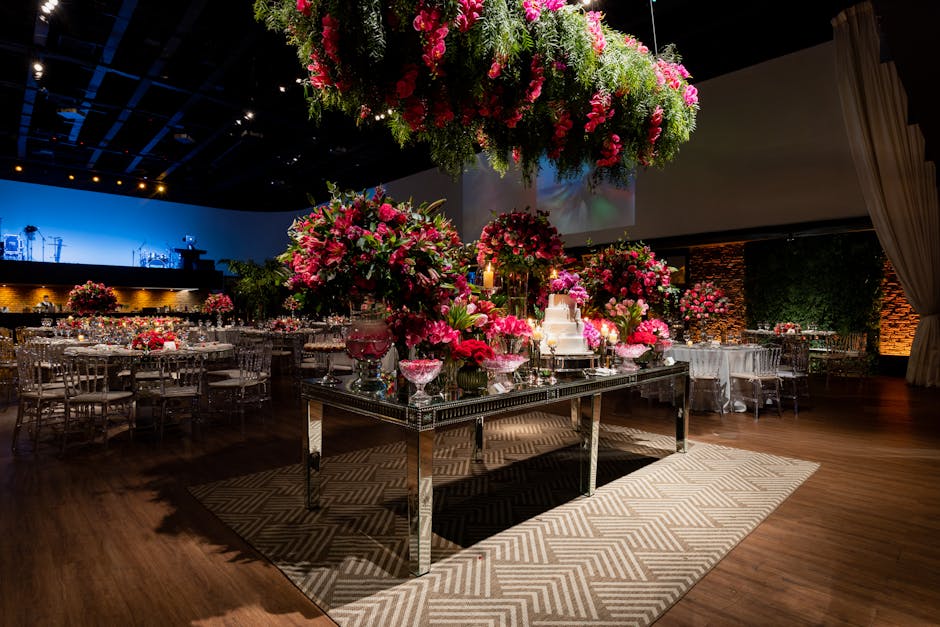
Why Common problems with venue flower setups at Canary Wharf events Matters
Canary Wharf events usually happen in spaces where presentation, timing, and logistics all matter. Boardrooms, conference suites, private dining rooms, hospitality spaces, launch venues, and networking areas tend to have strict arrival windows and limited room for error. So when flower setups go wrong, they do not just look slightly off. They can disrupt the flow of the event, frustrate venue staff, and create extra work at the exact moment you do not want it.
The issue is not simply decorative. Flowers can affect sightlines, table usage, guest movement, photography, branding, accessibility, and even food service. A centrepiece that looks elegant in a mock-up can become a nuisance if it hides name cards, sheds petals on a buffet, or clashes with the venue's lighting. And yes, Canary Wharf venues often have that very clean, high-spec look where a badly chosen arrangement stands out more than it would elsewhere.
There is also the time pressure. Events in this part of London often run to a tight setup schedule, and multiple suppliers may be sharing loading bays, lifts, or back-of-house routes. If flowers arrive late, the whole room can feel under pressure. If they arrive too early without a proper holding area, they may wilt or get knocked around. A good setup plan prevents those small headaches from becoming expensive ones.
Expert summary: the real challenge is not "flowers vs. venue"; it is matching design, delivery, and venue rules to the way Canary Wharf events actually operate. Get that balance right and the flowers elevate the space. Get it wrong and even expensive blooms can feel like clutter.
How Common problems with venue flower setups at Canary Wharf events Works
A venue flower setup usually passes through a few stages: planning, sourcing, transport, access, installation, final styling, and breakdown. Problems can happen at any one of those points, and often the issue only becomes obvious once the flowers are already onsite. That is why the process needs to be thought through like a small project, not treated as a last-minute decorative add-on.
The first stage is understanding the venue layout. A florist needs to know the table sizes, ceiling height, entrance points, lift access, load-in restrictions, fire exits, and whether the room is being used for a seated dinner, standing reception, panel event, or hybrid format. A low arrangement that works perfectly for a dinner may be invisible in a large networking room, while a dramatic pedestal piece could block sightlines during a presentation.
The second stage is logistics. Canary Wharf can be efficient, but it can also be unforgiving if timings slip. Deliveries may need to be signed in, security may need advance details, and setup windows can be narrow. During busy weekday periods, traffic and servicing routes can be a nuisance, and that affects freshness as well as timing. Flowers are living materials, after all. They do not love hanging around in a van any more than the rest of us do in a jam on the A13.
The third stage is installation. This is where height, balance, vase choice, table space, scent levels, and moisture control all matter. A polished glass table can turn one drop of water into a problem. A candle-heavy display can feel cramped. A big floral arch can be wonderful for photos, but if it sits too close to a doorway, guests start sidestepping it like a shopping trolley in the rain.
Finally, good setups include contingency. Spare stems, extra water tubes, backup vases, tape, scissors, clean cloths, and a plan for quick adjustments should be normal, not exceptional. In our experience, the events that go best are the ones where someone has quietly assumed, "What could go wrong?" and planned for it before anyone else notices.
Key Benefits and Practical Advantages
When flower setups are done properly, the benefits show up everywhere. The room feels considered, the event looks more expensive without necessarily costing more, and guests instinctively read the space as organised and welcoming. That matters especially in Canary Wharf, where many events are corporate, client-facing, or reputation-sensitive.
Here are some practical advantages of getting the setup right:
- Cleaner presentation: arrangements support the venue instead of competing with it.
- Better photos: balanced flowers frame people, branding, and table settings without dominating them.
- Smoother service: wait staff, speakers, and guests can move freely.
- Less stress on the day: fewer adjustments, fewer surprises, less scrambling.
- Stronger guest experience: the room feels intentional, calm, and polished.
There is a subtler benefit too: confidence. When the flowers are sized correctly and installed on time, organisers can stop worrying about the room and focus on guests. That alone is worth a lot. You notice it in the way people arrive, glance around, and relax a little. The room simply works.
For businesses hosting meetings, launches, or client receptions, the right floral styling can also support brand tone. Minimal white and green designs may suit a formal financial environment, while richer seasonal colours may feel better for an awards dinner or social celebration. If your event includes gifting or welcome bouquets, you may also want to explore options such as corporate gifting or more refined styles like luxury flowers for a stronger visual finish.
Who This Is For and When It Makes Sense
This topic matters for anyone organising flowers for a Canary Wharf venue, but it is especially useful if you are responsible for an event where first impressions count. That could be an office manager arranging a client breakfast, an executive assistant planning a boardroom lunch, a venue coordinator overseeing multiple suppliers, a wedding couple choosing a city venue, or an event planner trying to make a room feel special without overcomplicating it.
It also makes sense if you have ever had one of those awkward moments where the flowers were lovely, but not quite right. Maybe they were too tall for the table. Maybe the scent was too strong near food. Maybe the arrangement looked stunning in the florist's shop and then disappeared under daylight in the venue. Happens all the time, honestly.
You should pay close attention to these issues if your event includes any of the following:
- Long dining tables or banquet layouts
- Brand signage, screens, or stage backdrops
- Mixed-use spaces with quick turnover
- Photographers or content capture
- Accessibility requirements or clear route planning
- Late afternoon or evening events where lighting shifts matter
If you are planning for a wedding in the area, the same principles apply, only more so. Wedding flowers can fail in slightly glamorous ways, which is still failure. A bouquet might be perfect, but the table flowers can look crowded next to glassware and candles. For that sort of event, a specialist like a local weddings collection or tailored pieces such as wedding table arrangements can be a better fit than a generic off-the-shelf choice.
Step-by-Step Guidance
If you want to avoid the most common setup problems, treat the flowers like part of the event infrastructure. Not just decoration. Here is the process we recommend.
- Start with the venue plan. Ask for table dimensions, layout drawings, access times, and any restrictions. If the venue has low ceilings or narrow entrances, note it early.
- Decide the event function first. A networking reception, formal dinner, product launch, and memorial service all need different floral priorities. One design will not suit everything.
- Choose scale deliberately. Tall arrangements need space and purpose. Low arrangements need enough density to read well from a distance. Tiny stems on big tables can look apologetic, which is not the look anyone wants.
- Match flowers to conditions. Warm rooms, bright window light, air conditioning, and long setup times all affect freshness. Some flowers hold better than others.
- Plan the delivery window. Build in time for traffic, security checks, lift delays, and last-minute adjustments. Arriving "just in time" is often too tight.
- Install with practical finishing details. Check for stable containers, hidden water sources, safe placement around candles, and clear lines of sight.
- Do a walk-around before guest arrival. Stand where guests will stand. Sit where speakers will sit. Look at the room from the back, not just the front.
- Leave room for changes. Keep a few spare stems or a simpler backup plan. Events shift, tables get moved, and somehow the one arrangement you loved ends up beside a radiator.
A small real-world observation: the final 10 minutes often matter more than the first two hours. A quick touch-up, a wipe of a vase, a better turn of one bloom, and suddenly the whole room feels more composed. Small things. But they count.
Expert Tips for Better Results
There are a few practical habits that make a noticeable difference with Canary Wharf venue flowers. These are the kinds of things experienced teams rely on because they save time and avoid awkward surprises.
- Use the venue's visual language. Sleek venues usually suit structured, clean designs. If the room already has strong lines and reflective surfaces, overly busy arrangements can feel messy.
- Keep sightlines sacred. If guests need to speak across a table, flowers should not become a hedge.
- Limit scent near food. Strong fragrances can interfere with dining and are not always welcomed in corporate settings.
- Ask about lighting. What looks creamy white in a daylight studio can appear dull under warm indoor lighting.
- Choose containers carefully. Weighted bases help on tall installations and glossy surfaces. Nobody enjoys a near-miss with a vase.
- Think in zones. Entrance flowers, stage flowers, table flowers, and washroom or reception flowers all play different roles.
If the event is formal, simplicity often works better than quantity. If it is celebratory, colour can be stronger, but it still needs to be edited. A bit of restraint goes a long way. You do not need to fill every corner with petals to make the room feel special.
One more thing: if the venue is in a high-traffic part of Canary Wharf, allow for delivery friction. Even if the schedule looks neat on paper, lift queues or loading bay rules can slow everything down. Build in a little breathing room. That bit of slack can save the whole setup.
Common Mistakes to Avoid
The most common mistakes are usually simple, but they have surprisingly visible consequences. Here are the big ones.
- Ignoring table shape and size. Round, rectangular, banquet, and cocktail tables all need different floral proportions.
- Choosing flowers only by appearance. A bloom may look beautiful but still be unsuitable for heat, transport, or long display times.
- Overcrowding the room. Too many arrangements can make a space feel smaller and harder to move through.
- Forgetting practicality. If guests cannot place a glass, sign a document, or see the speaker, the flowers have become a problem.
- Not checking venue rules. Some spaces have restrictions on candles, water, floor-standing pieces, or installation timing.
- Leaving delivery too late. A rushed setup almost always looks rushed, no matter how good the florist is.
Another mistake that catches people out is assuming that "more expensive" automatically means "better for the event." Not really. Sometimes a modest, well-sized arrangement does more for the room than an elaborate design that fights the space. The room, as they say, has the final say.
And if you are organising multiple tables, do not let every arrangement be a hero piece. A room full of competing focal points can feel visually noisy. It is a bit like everyone talking at once in a meeting. Nobody wins.
Tools, Resources and Recommendations
You do not need a complicated toolkit to manage venue flowers properly, but a few practical items and resources make life easier. If you are coordinating the setup yourself, the basics are worth having to hand.
- Measuring tape: essential for table height, width, and spacing checks.
- Venue layout or floor plan: helps avoid blocking doors, screens, and walkways.
- Extra clean cloths: useful for wiping vases and surfaces before final placement.
- Floral tape and scissors: good for small on-site adjustments.
- Water source or backup water tubes: helps freshness during longer setups.
- Delivery checklist: keeps everyone aligned on timings and access notes.
On the product side, it can help to choose styles based on event type rather than just colour. For understated corporate setups, a restrained mix from all flowers or a simple option from florist choice may be more flexible than a highly specific arrangement. For larger, more formal moments, collections such as best sellers or florist choice 300 can offer a stronger visual presence. If budget is a pressure point, the budget section and cheap flowers Millwall E14 pages may help you plan without overreaching.
If your event is seasonal, it can also be sensible to choose flowers that sit naturally with the time of year. A soft spring mix, a richer autumn palette, or elegant whites for formal occasions often feels more coherent than forcing a theme. The venue notices. Guests do too, even if they cannot quite say why.
Law, Compliance, Standards, or Best Practice
Flower setups for events are usually guided more by venue policy and general best practice than by complex legal rules, but there are still practical standards worth respecting. In Canary Wharf venues, that often means following the venue's instructions on delivery access, fire exits, load-in times, public area use, and any restrictions on candles, water, or floor-standing displays.
If flowers are being installed in a space used by the public, the organiser and supplier should think carefully about trip hazards, stable placement, and clear circulation. Tall arrangements should not wobble. Loose stems should not end up underfoot. Wet floors should be wiped promptly. It sounds obvious, but in a busy setup it is exactly the obvious things that get missed.
For corporate events, a good supplier will also be mindful of accessibility. Guests with mobility aids, visual impairments, or simply a need for easier movement should not have to navigate around badly placed arrangements. A clear route is not just considerate; it is sensible planning.
There are also environmental and waste considerations. Venues may prefer reusable containers, responsible packaging, and efficient collection after the event. If sustainability matters to your team, it is worth raising early. The same is true for ethical sourcing expectations. You do not need to overcomplicate it, just ask the right questions up front. For more on the broader approach, a page like sustainability can be useful context.
Best-practice reminder: align with the venue, protect access and safety, and make sure the floral design supports the event rather than creating hidden friction. Simple, really. Harder than it sounds, but simple.
Options, Methods, or Comparison Table
Different event formats call for different floral methods. Here is a practical comparison to help narrow the choice.
| Setup method | Best for | Typical strengths | Common drawback |
|---|---|---|---|
| Low table arrangements | Dinners, meetings, networking lunches | Good visibility, easy conversation, neat finish | Can disappear in large rooms if undersized |
| Tall statement pieces | Receptions, entrances, photo areas | Strong visual impact, creates a focal point | May block sightlines or feel overpowering |
| Mixed table-and-feature styling | Larger corporate events and launches | Flexible, layered, polished | Needs stronger coordination and setup time |
| Minimal single-stem or compact styling | Boardrooms, formal meetings, restrained venues | Elegant, practical, low maintenance | Can feel sparse if the room is large |
| Seasonal or themed designs | Celebrations, branded activations, special dinners | Memorable, warm, and context-aware | Can date quickly if the theme is too strong |
For many Canary Wharf events, the strongest option is not one style alone, but a mix of low and feature pieces. That way the room keeps its function while still feeling thoughtful. If you need event flowers at short notice, it may also be worth checking options such as same day flower delivery Millwall E14 or next day flower delivery Millwall E14 when timing is tight.
Case Study or Real-World Example
Picture a weekday corporate dinner near Canary Wharf. The brief is straightforward enough: make the room feel welcoming, brand-appropriate, and not too formal. The initial floral plan uses tall arrangements for every table. On paper, it sounds elegant. In the room, it is a bit much.
Once the tables are set, the issue becomes clear. Guests would need to lean around the flowers to speak. The centrepieces sit awkwardly between glassware and printed menus. A few of the arrangements also catch the light in a way that makes the room feel busier than intended. Nothing is broken, but the atmosphere is not quite right.
The fix is simple, but only because someone spots the problem early. The tall pieces are moved to the entrance and service points, while the dinner tables are switched to lower arrangements with less bulk. The room suddenly breathes. Branding is still visible. Conversation is easier. The tables look fuller, but not crowded.
That is usually how these things go. The flowers were never the problem on their own. The problem was the relationship between the flowers and the room. Once you see that, the rest becomes much easier to handle.
Practical Checklist
Use this checklist before sign-off or setup day. It is not glamorous, but it saves headaches.
- Confirm venue access times and delivery route
- Check table sizes, ceiling height, and room layout
- Ask about restrictions on candles, water, or floor pieces
- Match arrangement height to conversation and sightline needs
- Confirm the flowers will suit lighting and room temperature
- Choose containers with stable bases
- Keep colours aligned with event tone and branding
- Plan for storage or holding if setup happens early
- Allow time for final adjustments and cleanup
- Walk the room before guests arrive and check every angle
If you can tick all of those off, you are already ahead of most rushed event setups. And yes, that last walk-through often reveals the one tiny thing nobody noticed. Usually it is something simple. A vase turned the wrong way. A name card hidden. A stem leaning just enough to annoy you. Funny how that works.
Get a free quote today and see how much you can save.
Conclusion
Common problems with venue flower setups at Canary Wharf events are rarely dramatic in isolation. More often, they are a series of small mismatches: the wrong height, the wrong timing, the wrong access plan, the wrong scale for the room. But small mismatches add up quickly in a polished, fast-moving event setting.
The good news is that most of these issues are preventable. With accurate venue information, realistic delivery timing, thoughtful styling, and a practical on-site checklist, flowers can do what they are supposed to do: make the space feel better, not busier. That is the sweet spot.
So if you are planning an event in Canary Wharf, give the flowers the same level of attention you would give to seating, lighting, or signage. They are part of the experience. And when they are done well, people may not mention them directly, but they will absolutely feel the difference. That quiet lift in the room, that little moment of calm, that is the bit worth aiming for.
Frequently Asked Questions
What are the most common problems with venue flower setups at Canary Wharf events?
The most common problems are poor timing, awkward sizing, blocked sightlines, venue access issues, and flowers that do not suit the room's lighting or layout. A design can look lovely in isolation and still fail in the actual event space.
Why do flowers go wrong so often in Canary Wharf venues?
Mostly because the venues are busy, structured, and often time-sensitive. Loading access, security checks, lifts, and strict setup windows can create pressure. If the floral plan is not built around that reality, small problems appear quickly.
How do I stop flower arrangements from blocking conversation at a dinner?
Use lower arrangements on dining tables and keep taller statement pieces for entrances or side areas. A good rule is to stand or sit at the table and check whether you can see and speak easily across it.
What flowers work best for corporate events in Canary Wharf?
That depends on the event tone, but clean, structured designs usually work well. Whites, greens, soft neutrals, and controlled seasonal accents often suit professional spaces. The key is to match the room, not just the brand colours.
How far in advance should flower setups be planned?
Ideally, as early as possible once the venue layout is confirmed. The more complex the event, the earlier you should brief the florist. Even a simple setup benefits from early checks on access, timing, and table size.
Can I use the same floral design for every table?
You can, but it is not always the best choice. Larger rooms often need a mix of focal pieces and lower supporting arrangements so the space feels balanced rather than repetitive or cramped.
Are scented flowers a problem at events?
Sometimes, yes. Strong scents can be distracting near food or in closed meeting spaces. Mild fragrance can be pleasant, but it is best to be cautious in corporate or dining settings.
What should I ask the venue before booking flowers?
Ask about access times, delivery point, lift use, storage space, restrictions on candles or water, table dimensions, and whether there are any sightline or safety concerns. Those questions save a lot of trouble later.
Is same-day delivery a good idea for event flowers?
It can be, if the design is simple and the venue access is straightforward. For more complicated setups, earlier delivery and setup is usually safer. A tight deadline is where things get a bit spicy, and not in a good way.
How do I choose between low arrangements and tall arrangements?
Choose low arrangements when conversation and table function matter most. Choose tall arrangements when you need visual drama or an entrance feature. Many events use both, which is often the most practical approach.
What if the venue has very limited setup time?
Keep the design simple, confirm all measurements in advance, and choose flowers and containers that are quick to place. A compact, well-planned setup usually looks better than an ambitious one done in a rush.
Do Canary Wharf events need special floral compliance checks?
There is usually no special flower law, but you should follow venue rules, general safety practices, and any access instructions. Keep walkways clear, secure heavy pieces properly, and avoid anything that creates a trip or spill risk.
What is the biggest mistake people make with venue flowers?
Trying to choose flowers before understanding the room. Once you know the venue layout, table sizes, and event purpose, the right design becomes much easier to see.